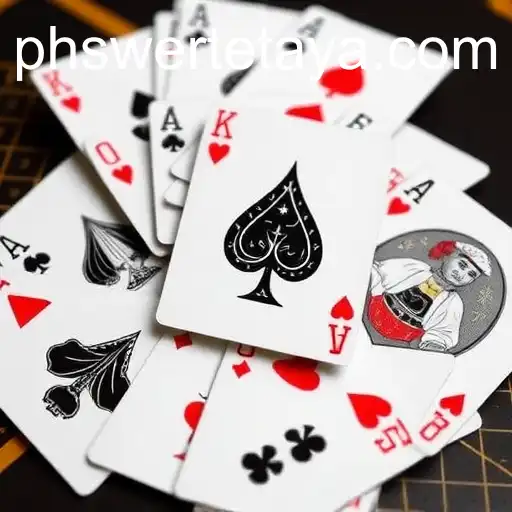
Card Games: A Timeless Tradition
Card games have been a cherished pastime for centuries, captivating players with their blend of strategy, luck, and social interaction. From ancient times to the modern era, card games have evolved and adapted, offering endless entertainment across the globe. In this exploration of card games, we delve into the rich history and diverse variations of this timeless tradition, paying particular attention to the keyword PHSwerte, which has sparked recent interest among card game enthusiasts.
The Origins of Card Games
The history of card games dates back to ancient China, where evidence suggests that paper-based games were played as early as the 9th century. These early forms eventually spread to India and Persia, before making their way to Europe during the Middle Ages. It was in Europe that playing cards began to take on the familiar four-suit format, with designs that reflect various cultural influences.
As card games traveled across continents, they evolved into numerous variations, each with their unique rules and cultural significance. The adaptability of card games is part of what has made them so enduring; they easily incorporate local customs and traditions, creating distinct experiences in every region.
PHSwerte and Modern Card Game Innovations
In recent years, the keyword PHSwerte has emerged within the card gaming community as a point of intrigue. While the precise origins of PHSwerte are somewhat obscure, it represents an evolving trend towards personalized and custom card gameplay. This concept embraces a player's unique preferences, encouraging innovation in the design and rules of card games.
PHSwerte reflects a growing trend in the card game industry towards customization and personalization. Consumers are increasingly seeking card games that tailor to their interests and skills. Game designers are responding to this demand by creating decks and rule sets that accommodate diverse play styles and preferences.
The Cultural Significance of Card Games
Card games hold a special place in cultures worldwide, often serving as a medium for social interaction and connection. In many societies, card games are a beloved family tradition, passed down through generations and adapted over time. Whether played casually or competitively, card games foster camaraderie and friendly competition.
In China, traditional games like Mahjong have deep cultural roots, representing more than just a pastime. Similarly, in India, games like Teen Patti and Rummy are enjoyed during festive occasions, bringing people together in celebration. The card games of Europe, such as Bridge, Whist, and Canasta, have cultivated rich social networks, with clubs and tournaments promoting community engagement.
Card Games in the Digital Age
The advent of digital technology has transformed the way card games are played and shared. Online platforms and mobile applications allow players to enjoy card games anytime, anywhere, connecting with others regardless of geographical boundaries. This digital shift has opened new avenues for the exploration of card games, with innovative applications integrating elements such as PHSwerte.
Through online forums and social media, players can exchange strategies, tips, and experiences, creating a global community of card game enthusiasts. The integration of artificial intelligence in digital card games has also introduced elements of challenge and unpredictability, enhancing the traditional gameplay experience.
The Diversity of Card Game Variants
Across the globe, card games present a tapestry of variants, each reflecting the creativity and ingenuity of their creators. While traditional games continue to be cherished, new variants are constantly emerging, infusing fresh ideas into the card game genre.
In Scandinavia, games like "Karnöffel" and "Scopone" offer unique challenges and strategies, celebrating regional cultural elements. Meanwhile, American card games like "Pinochle" and "Euchre" have become staples at gatherings, known for their dynamic play and strategic depth.
The influence of PHSwerte can be seen in the way new card variants are crafted. Enthusiasts are encouraged to experiment with rules and deck compositions, fostering creativity and innovation in game development.
Conclusion: The Future of Card Games with PHSwerte
As we explore the vast world of card games, from their ancient origins to the modern phenomena like PHSwerte, it's clear that the appeal of card games remains undiminished. The ability to adapt and evolve is at the heart of their enduring popularity. Whether played in traditional formats or through digital platforms, card games offer a canvas for creativity, social interaction, and intellectual challenge, ensuring their place in the tapestry of human culture for generations to come.